
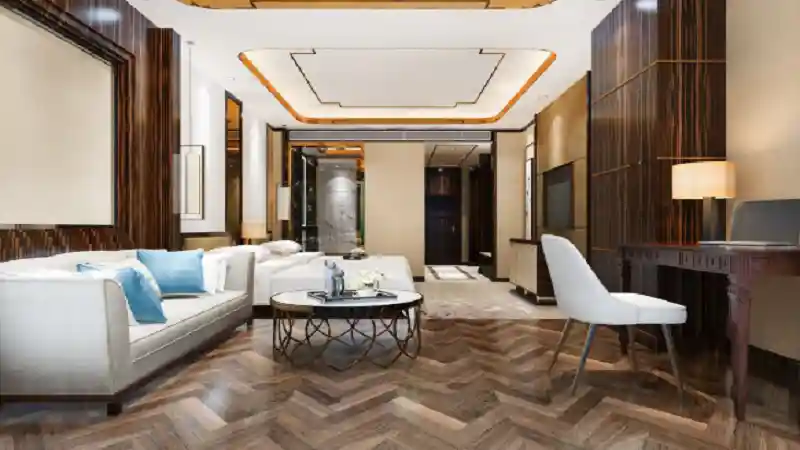
Modern interior design is often associated with expensive furniture, dramatic renovations, and perfectly styled rooms.But a beautiful home does not have to look like a showroom.
The most successful interiors usually have something more important: they work well for the people who live in them. Furniture is positioned logically, storage is easy to access, lighting supports different activities, and every part of the room has a purpose.
If your home feels outdated, crowded, or simply disconnected from your lifestyle, you may not need a complete renovation. A few thoughtful changes can completely transform the way your space feels.
Start With Function, Not Decoration
One of the easiest mistakes in interior design is choosing colours, furniture, and decorations before considering how the room will actually be used.Instead, start by identifying the room’s main purpose.
A living room may need to support conversation, relaxation, entertainment, and occasional work. A bedroom should prioritise comfort and calm. A kitchen needs efficient movement between preparation, cooking, cleaning, and storage areas.
Once the function is clear, design decisions become much easier.
Declutter Before You Buy Anything
Adding new furniture to a crowded room rarely solves the underlying problem.
Start by removing items that are broken, rarely used, or simply taking up valuable space.
Then evaluate what remains.
A room often feels larger when furniture is arranged around clear pathways rather than pushed randomly against walls. Keeping frequently used areas accessible can also make everyday routines easier.
Decluttering is therefore not just a cleaning exercise. It can be an important part of interior design.
Use Lighting to Change the Atmosphere
Lighting deserves more attention than it usually receives.
A single overhead fixture may technically illuminate a room, but it does not necessarily create a comfortable environment.
Try combining several types of lighting.
Ambient Lighting
This provides the general illumination needed throughout the room.
Task Lighting
Task lights are useful for activities such as reading, cooking, studying, or working.
Accent Lighting
Accent lights can highlight artwork, architectural details, shelves, plants, or other features.
Using multiple light sources allows one room to serve different purposes throughout the day.
Choose Colours With the Whole Room in Mind
A paint colour may look attractive on a sample card but completely different once it is exposed to the room’s natural and artificial lighting.
Before committing to a colour, consider:
- The amount of natural light
- Existing furniture
- Flooring
- Window coverings
- Room size
- Ceiling height
- The mood you want to create
Neutral colours can provide a flexible foundation, while stronger colours can be introduced through furniture, artwork, textiles, or a feature wall.
The goal is not to use the most fashionable colour. It is to create a combination that works with the specific room.
Make Storage Part of the Design
Good storage should not feel like an afterthought.
When storage is integrated into the design, it can improve both appearance and functionality.
Consider:
- Built-in shelving
- Under-bed storage
- Wall-mounted cabinets
- Storage benches
- Vertical shelving
- Multi-purpose furniture
In smaller homes, vertical space can be particularly valuable.
Instead of spreading storage across the floor, use the walls to increase capacity while preserving movement around the room.
Rethink Your Furniture Arrangement
Sometimes a room feels wrong simply because the furniture is positioned poorly.
Try creating clear zones instead of placing every piece around the perimeter.
For example, a living room could have a conversation area, a reading corner, and a small entertainment zone.
Leave enough space between furniture pieces for comfortable movement.
A better layout can make an existing room feel larger without changing its dimensions.
Give the Kitchen a More Efficient Layout
A kitchen should look good, but its practical workflow matters just as much.
Frequently used items should be easy to reach. Preparation areas should have enough usable workspace, and storage should be organised according to how often items are used.
Small improvements can include:
- Better cabinet organisation
- Pull-out storage
- Improved work lighting
- More accessible shelves
- Updated hardware
- Space-saving organisers
Homeowners who want more practical ideas can explore The MintPalment, which covers home upgrades, kitchen improvements, interior design, and other ways to make living spaces more functional.
Bring Natural Elements Indoors
Plants, natural textures, wood finishes, stone details, and natural fabrics can add warmth to an interior.
You do not need to turn your home into a jungle.
A few carefully selected plants can soften hard surfaces and introduce colour. Wooden accents can add warmth to modern rooms, while natural fabrics can make spaces feel more comfortable.
The best results usually come from balance rather than excess.
Make Small Changes Before Major Renovations
Before removing walls or replacing an entire room, test smaller improvements first.
Change the lighting. Rearrange the furniture. Improve storage. Refresh the walls. Replace outdated hardware. Introduce a few carefully selected decorative elements.
These relatively simple changes may reveal that a complete renovation is unnecessary.
If a larger project is still required, you will have a clearer understanding of what the room actually needs.
Design for the Way You Live
The most impressive home is not necessarily the one with the most expensive furniture.
It is the one that feels natural to live in.
If you work from home, create a dedicated workspace. If you frequently entertain guests, prioritise comfortable seating. If storage is constantly a problem, solve that before adding more decoration.
Interior design should adapt to your lifestyle rather than forcing your lifestyle to adapt to a design trend.
Think Beyond Appearance
A well-designed home should provide more than visual appeal.
It should make daily routines easier, reduce unnecessary clutter, support comfort, and use available space intelligently.
That is why functionality, lighting, storage, layout, colour, and materials all matter.
When these elements work together, even an older or modest home can feel modern, comfortable, and carefully designed.
Your Home Does Not Need to Be Perfect
There is no single formula for creating the perfect interior.
Every property has different dimensions, lighting conditions, budgets, and practical requirements.
Instead of trying to copy another home’s appearance exactly, identify what is not working in your own space and improve it one step at a time.
A more functional layout, better lighting, smarter storage, and a few intentional design choices can often accomplish more than an expensive makeover.
The best interior is ultimately the one that looks good and makes everyday life easier.